AI Agents vs Apps — What Will Replace What by 2030?
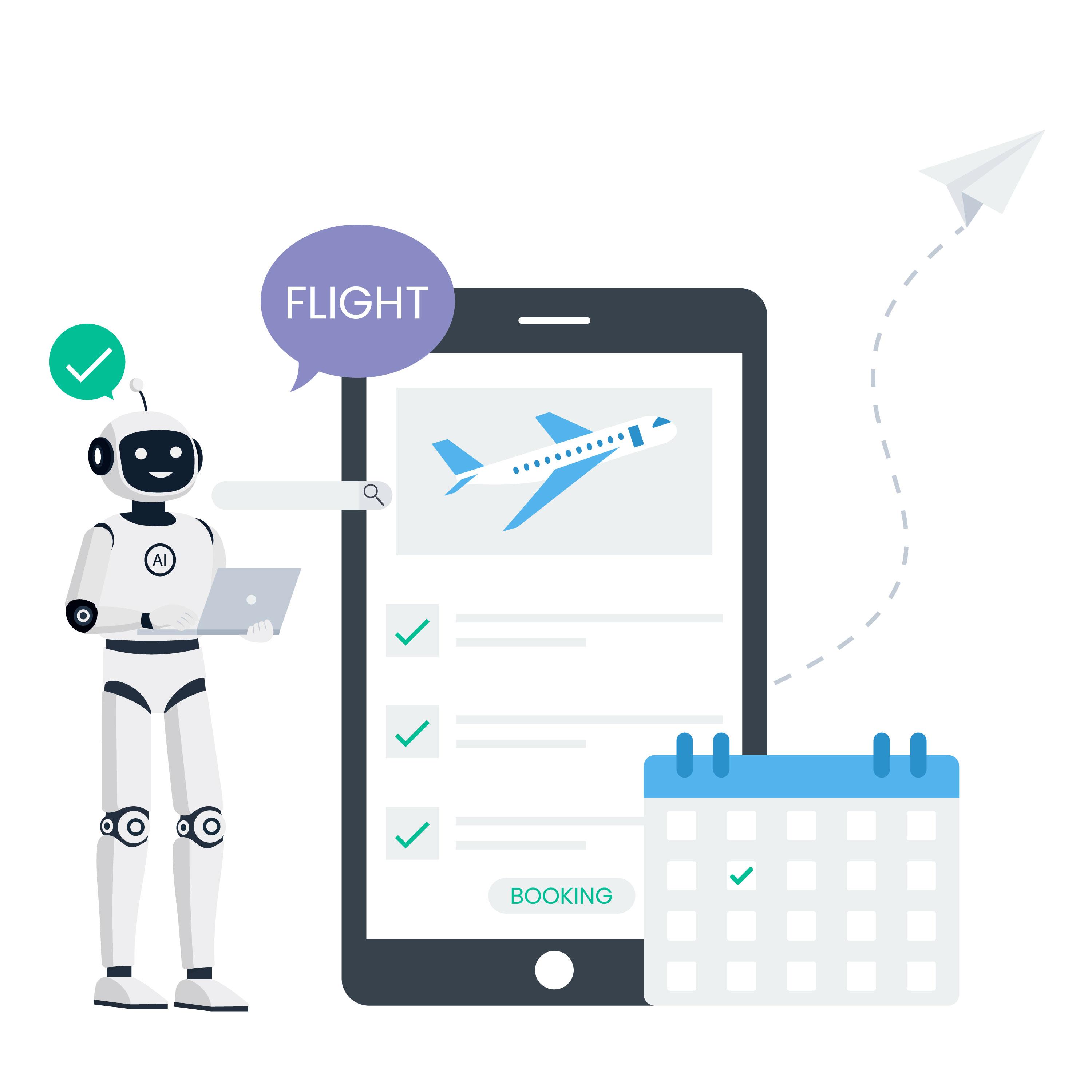
📌 TL;DR (Key Takeaways)
- AI agents will reduce the need for many single-purpose apps
- Task-based apps (booking, form filling, shopping) are most at risk
- Creative, social, and specialized tools will still exist
- The future will be AI-first, app-second
- Companies must evolve or risk becoming invisible behind AI layers
🚀 Introduction: The Biggest Shift Since Smartphones
For years, smartphones have revolved around apps.
Need food? Open a food app.
Need a ride? Open a taxi app.
Need to pay bills? Open a payment app.
But a new paradigm is emerging:
👉 AI agents that complete tasks across apps automatically
Instead of navigating interfaces, users will simply state goals:
“Book the cheapest flight for next weekend, reserve a hotel near the venue, and schedule a cab.”
No app switching. No manual steps.
This shift will redefine how software is built and used.
🤖 What Are AI Agents?
AI agents are intelligent systems that can:
- Understand goals
- Plan steps
- Use tools (websites, APIs, apps)
- Execute tasks
- Adapt based on results
Unlike traditional assistants that only respond, agents act autonomously.
Example
Traditional app usage:
- Open flight app
- Compare prices
- Enter details
- Pay
Agent usage:
- Say: “Book cheapest flight under ₹8,000”
- Agent handles everything
📱 Why Apps Dominated the Last Decade
Apps succeeded because they provided:
- Optimized interfaces
- Dedicated features
- Secure transactions
- Brand trust
Each app solved one problem extremely well.
But this also created friction — users now juggle dozens of apps.
⚡ Why AI Agents Will Replace Many Apps
1️⃣ Interface Will Move From Screens to Conversations
Users prefer telling what they want instead of figuring out how to get it.
Command-based interaction is faster than navigating menus.
2️⃣ Agents Can Orchestrate Multiple Services
Agents act as a universal interface layer across services:
- Compare prices
- Choose best option
- Complete transactions
- Track outcomes
Apps become invisible infrastructure.
3️⃣ Personalization Will Be Extreme
Your agent will know:
- Preferences
- Budget
- Schedule
- Past behavior
So decisions become automatic.
4️⃣ Time Efficiency Will Drive Adoption
Tasks that take 20 minutes manually could take seconds with agents.
Time savings = mass adoption.
🧠 Which Apps Are Most Likely to Be Replaced
🔻 High Risk (Will Become Background Services)
These apps perform repeatable tasks:
- Food delivery
- Ride booking
- Travel booking
- Shopping
- Bill payments
- Form filling services
- Appointment scheduling
Users only care about results, not the interface.
⚠️ Medium Risk (Will Transform)
- Banking apps
- Customer support apps
- Productivity tools
- Learning platforms
These will integrate agents rather than disappear.
🟢 Low Risk (Will Survive)
Apps focused on experience, creativity, or entertainment:
- Social media
- Games
- Creative tools (design, video editing)
- Professional software
People still want direct interaction.
🏢 What This Means for Businesses
Companies face a choice:
Option A — Become Agent-Compatible
Expose APIs so agents can use your service.
Option B — Build Your Own Agent
Keep control of user relationships.
Option C — Risk Being Invisible
If agents choose competitors automatically, brand loyalty declines.
🔮 The Next 5 Years Timeline
2026–2027
- Early agent adoption
- Hybrid model (apps + agents)
2027–2029
- Major platforms launch agent ecosystems
- Businesses optimize for agent traffic
2029–2030
- Agents become primary interface
- Apps become backend services
⚠️ Challenges That Could Slow Adoption
- Security risks
- Privacy concerns
- Regulatory issues
- CAPTCHAs and anti-bot systems
- Trust in autonomous decisions
Solving these will unlock mass adoption.
🏆 Final Verdict: Agents Won’t Kill Apps — They’ll Hide Them
Apps won’t disappear.
They will become:
👉 Infrastructure used by AI agents
Just like websites still exist but search engines sit on top.
💡 Conclusion
The future of software is shifting from:
App-first → AI-first
The winners will be companies that adapt early.
The losers will be apps users never open again.
❓ FAQ
Q: Will AI agents completely replace apps?
No. Apps will still exist but may operate behind the scenes as services used by agents.
Q: Which industries will be affected first?
Travel, e-commerce, finance, customer support, and government services.
Q: How should businesses prepare?
By building APIs, integrating AI capabilities, and designing agent-friendly services.
📢 Call to Action
If you want to stay ahead of the AI revolution, start exploring how AI agents can transform your workflows today.